Grout-Free Shower Walls vs. Tile: Which Is Easier to Clean and Maintain?
In most bathrooms, grout-free shower walls are easier to clean and maintain than tiled walls because they have fewer grout joints where soap residue, staining, and mildew can collect. That does not automatically make them the right choice for every homeowner. Tile offers more design flexibility and allows individual pieces to be repaired, while a wall panel system can provide a simpler cleaning routine and a more uniform surface.
The better choice depends on how you use the shower, how much time you want to spend cleaning, and what you value most in the finished space. Instead of comparing labels alone, look at the seams, surface, installation details, repair process, and care instructions for the exact products being considered.
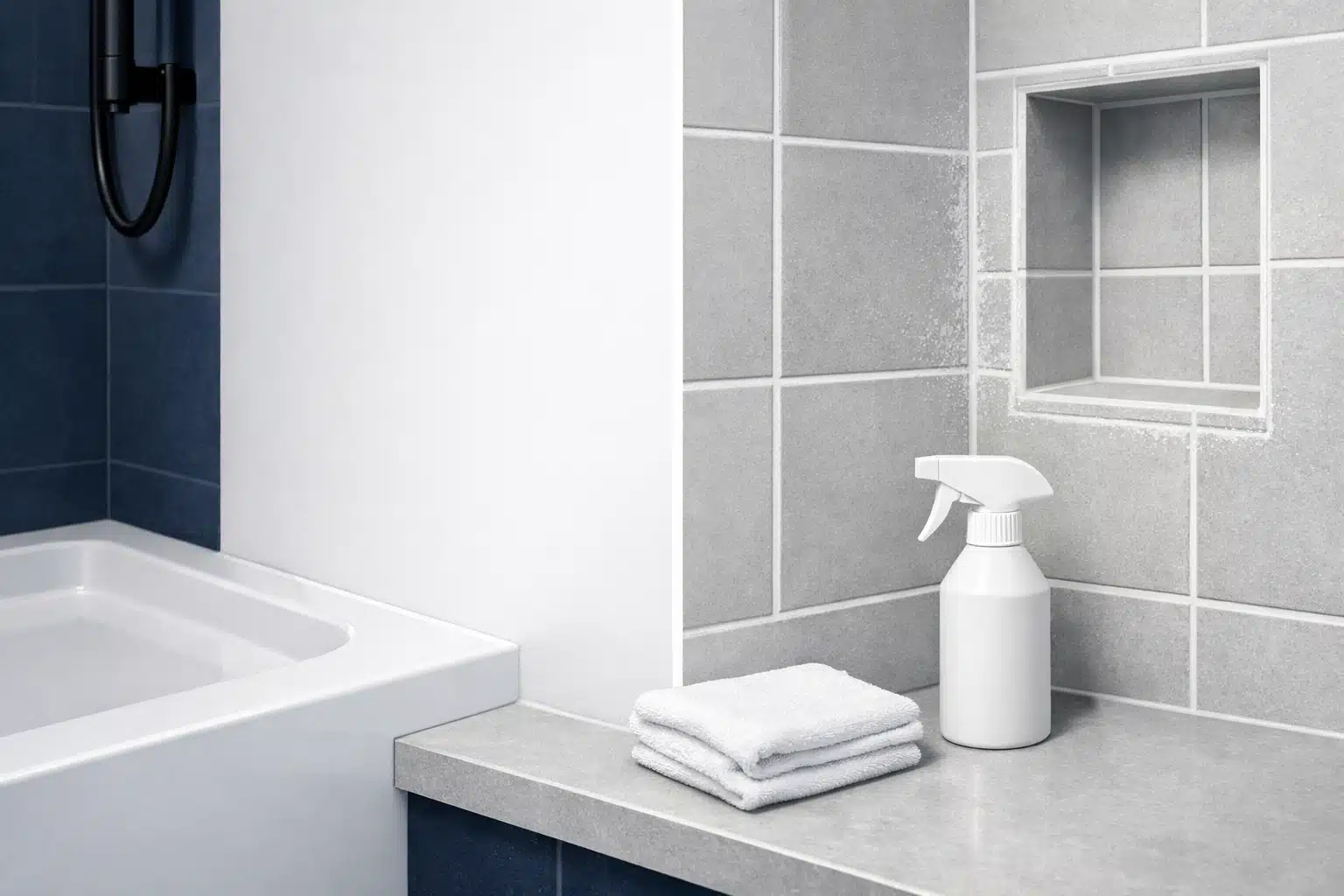
How Cleaning and Maintenance Differ
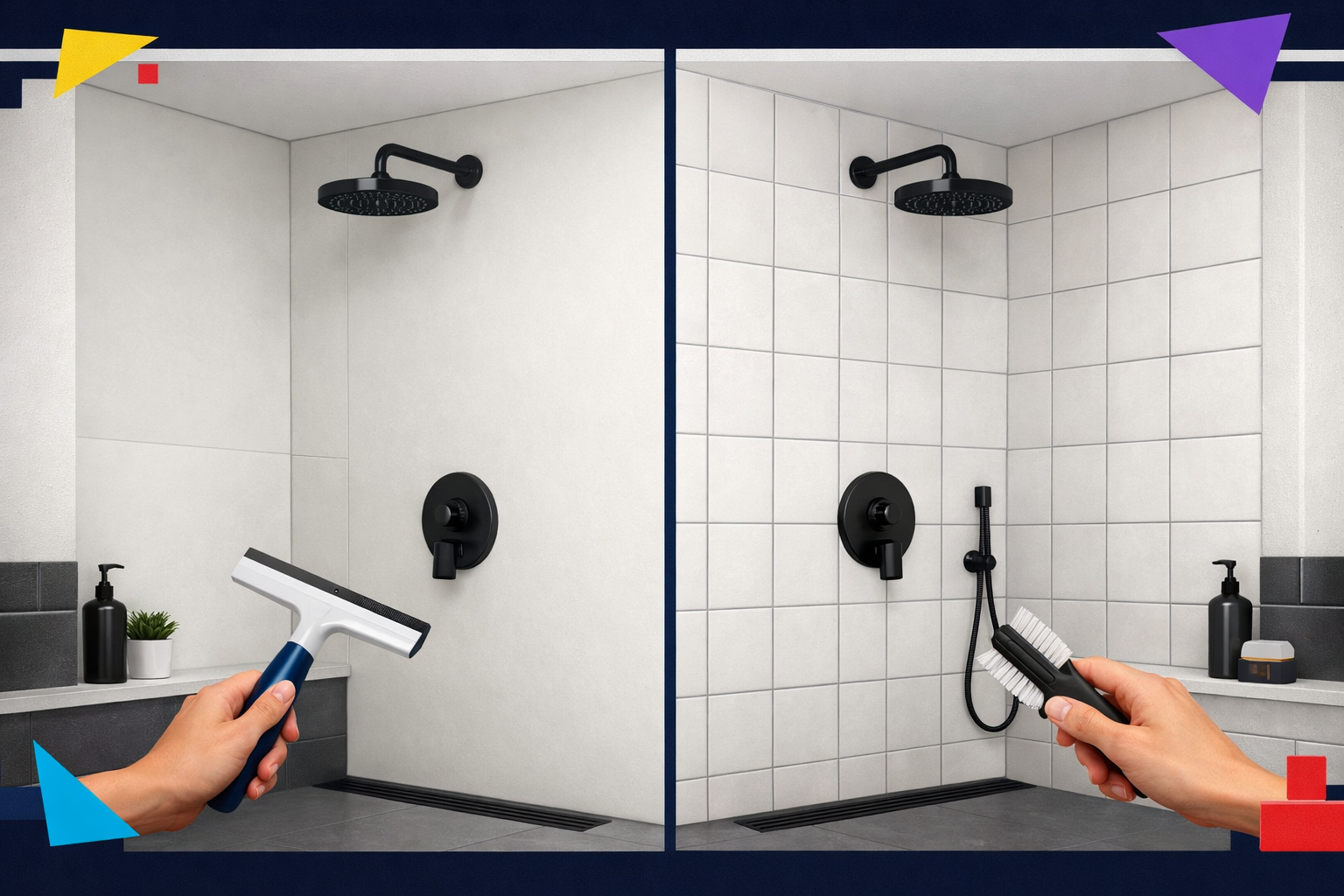
The biggest practical difference is not that one material never needs care. Both options need regular cleaning, sound installation, and attention to water management. The difference is where dirt and moisture can collect. A tiled shower usually has grout lines between many individual pieces. Grout can become discolored or difficult to clean when residue builds up, especially in corners and along changes in plane. Grout-free walls reduce the number of these joints, but they still have seams, corners, fixture openings, and the connection between the wall and shower base to maintain.
Fewer Joints Usually Mean Less Scrubbing
Grout-free shower walls are made from larger panels rather than many small tiles. With fewer joints, there are generally fewer narrow lines to brush and fewer places for residue to settle. A smooth, nonporous surface may also allow water and soap film to be wiped away more easily than a textured tile-and-grout layout. However, the exact result depends on the material. Ask whether the surface is nonporous, textured, coated, or vulnerable to certain cleaners. “Grout-free” describes the wall layout, not every cleaning characteristic of the product.
Tile Maintenance Depends on the Grout
Tile itself is often straightforward to wipe clean, but the grout can change the maintenance routine. Grout may absorb moisture unless it is properly selected, installed, and cared for. It can also show darker areas or mineral deposits more clearly than the tile around it. Sealing may be recommended for some grout products, and the manufacturer’s instructions should control the schedule and cleaning method. A tiled shower with larger tiles and narrow, well-installed joints can require less work than a small-tile design with many grout lines.
Seams and Corners Still Deserve Attention
A grout-free system is not maintenance-free. Panels meet at inside corners, outside edges, the shower base, and openings for controls or plumbing. Those transitions need to be designed and sealed correctly. If a seam is poorly fitted or the sealant deteriorates, water can reach areas it should not. Tile has similar vulnerable locations, including corners, niches, the floor-to-wall transition, and penetrations around fixtures. During a product review, ask to see how the installer handles these details rather than judging the wall material by a sample alone.
How to Choose for Your Bathroom
Cleaning is important, but it is only one part of the decision. A shower wall should also fit the room, the household’s habits, the desired appearance, and the plan for future repairs. Compare complete systems instead of comparing a generic “grout-free wall” with generic “tile.” A useful quote or design consultation should identify the wall material, surface finish, seams, base, trim, accessories, installation method, and care requirements. Those details make a larger difference than the broad category name.
Choose Grout-Free Walls When Routine Matters Most
Grout-free walls may be a strong fit for homeowners who want a simpler cleaning routine, a modern continuous appearance, or fewer joints to inspect. They can be especially appealing when the shower is used often and the household wants to spend less time brushing grout lines. Large panels may also create a visually open look with fewer interruptions. The tradeoff is that a damaged panel may not be as simple to replace as one cracked tile. Ask how the manufacturer and installer handle scratches, impact damage, discontinued colors, and repairs before committing.
Choose Tile When Flexibility and Piece-by-Piece Repair Matter
Tile gives you a broad range of colors, patterns, sizes, borders, and layouts. That flexibility can help you match a particular design or create a detailed accent wall. If one tile is damaged, it may be possible to remove and replace that piece rather than replace a large wall section. The tradeoffs are more joints to clean, grout that may need care, and a greater dependence on careful layout and installation. If you prefer tile, consider larger formats or a layout that limits unnecessary grout without giving up the look you want.
Use This Comparison Before Accepting a Proposal
Before choosing, ask the same questions about each option. What exactly is the wall material, and what cleaning products are allowed? How many visible seams will the finished shower have? How are corners, niches, fixture openings, and the wall-to-base transition sealed? What maintenance does the manufacturer recommend? What happens if a panel, tile, or seal fails later? Also ask what is included in the written quote, including removal, surface preparation, trim, shelving, and accessories. Clear answers make it easier to compare real systems rather than attractive samples.
Match the Material to a Realistic Bathroom Scenario
Consider a hypothetical homeowner who uses the shower every day, dislikes scrubbing grout, and prefers a calm, simple design. A well-installed grout-free wall system may suit that routine, provided the seams and product care instructions are acceptable. Now consider a hypothetical homeowner who wants a patterned accent wall and likes the option of replacing one damaged piece. Tile may be the better fit, even with additional grout maintenance. Neither example makes one material universally superior; each connects the choice to a specific priority.
Grout-Free Shower Walls and Tile FAQ
Are Grout-Free Shower Walls Easier to Clean Than Tile?
Usually, yes. Fewer grout joints can mean fewer narrow areas where soap residue and staining collect. The exact cleaning effort still depends on the wall material, texture, seams, installation quality, and the manufacturer’s care instructions.
Do Grout-Free Shower Walls Need Any Maintenance?
Yes. They still need regular cleaning, and the seams, corners, fixture openings, and wall-to-base transition should be monitored. Follow the product’s approved cleaner and maintenance instructions, and address failed sealant or damaged transitions promptly.
Is Tile More Durable Than Grout-Free Shower Wall Panels?
There is no universal answer because products, installation, and use vary. Tile can allow a damaged piece to be replaced individually, while a panel may offer fewer joints but require a different repair approach. Compare the exact materials, warranties, and repair procedures.
What Should I Ask a Bathroom Remodeler About Shower Wall Materials?
Ask for the exact product name, surface characteristics, approved cleaners, seam and corner details, installation requirements, warranty terms, and repair process. Also request a written breakdown of preparation, wall installation, trim, base connections, and accessories so you can compare complete systems.